Stablecoins in trade payments: speed without the rollercoaster
Crypto solves real problems in cross-border payments — but nobody wants their invoice to lose 8% overnight. Stablecoins are how trade gets the speed without the volatility.
IGT Editorial Team
Instant Global Trade
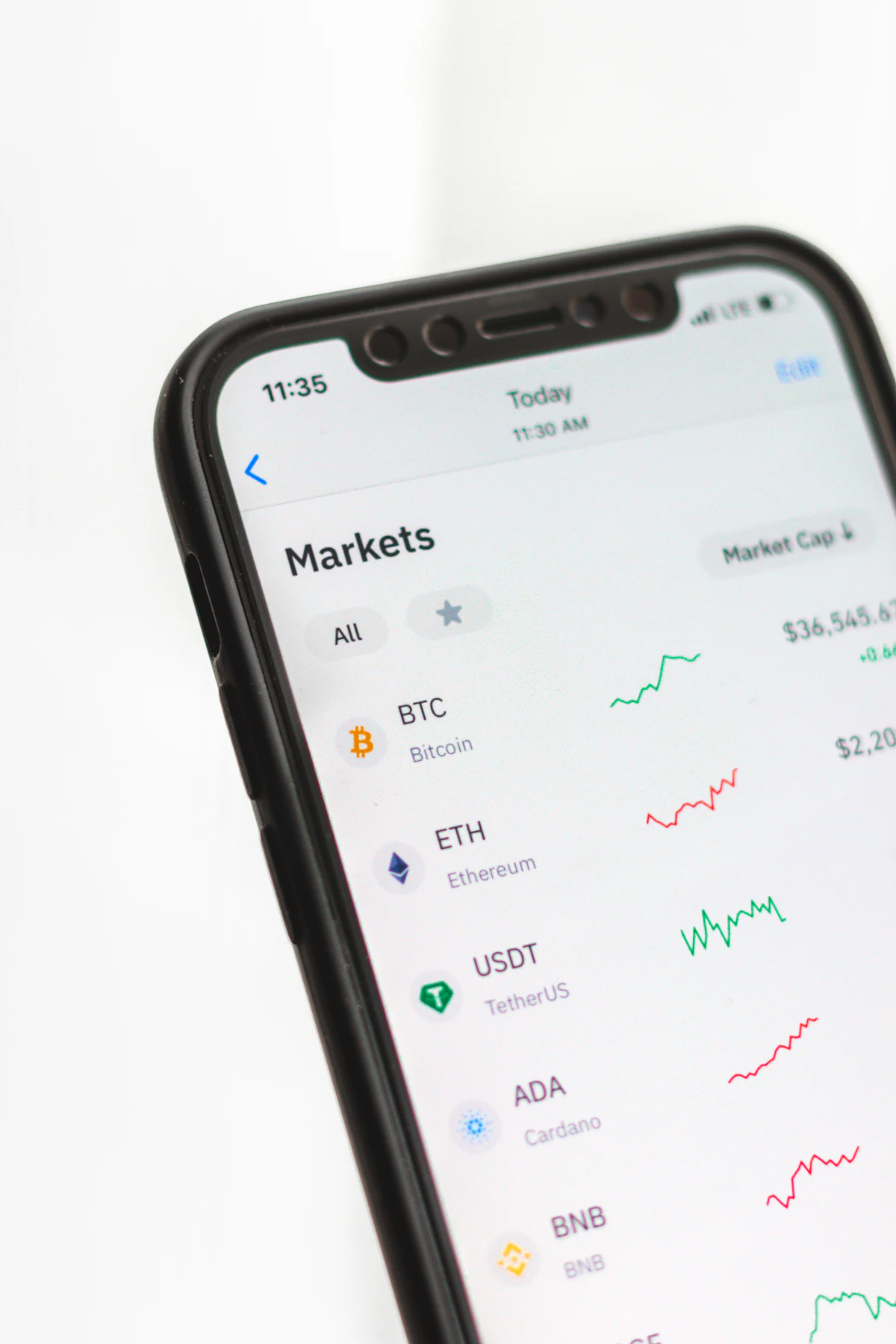
An international wire can take days, cross three correspondent banks, and arrive lighter than it left. An on-chain transfer settles in minutes, any day of the year. That difference is why crypto keeps coming up in trade conversations — and volatility is why those conversations used to stall.
The volatility objection, answered
A trade invoice is denominated in a currency for a reason: everyone needs to know what the goods cost. Settling that invoice in an asset that moves 5–10% in a day reopens the negotiation with every price tick. Stablecoins close that gap: tokens pegged to the dollar or other currencies, so the payment rail is crypto but the value is what the contract says.
What this looks like in practice
On IGT, members can register crypto wallets on their payment profile alongside their bank accounts. When both parties agree, a payment moves wallet-to-wallet:
- The invoice stays in the project's currency. The stablecoin is the vehicle, not the unit of account.
- The transfer settles in minutes, without correspondent banks taking their cut along the way.
- The transaction hash goes into the workspace, so the on-chain record and the contract trail match.
The discipline still applies
A faster rail does not mean fewer checks. Verify the address and the network before sending — on-chain transfers are irreversible. Send a small test amount first for large payments. And agree the rail in the contract, not in a chat message.
Crypto in trade is not about speculation. It is about a payment arriving on Friday evening because the deal closed on Friday evening. Stablecoins are what make that boring enough to be useful.
Put it into practice
Everything we write about happens on the platform: partnerships, contracts, payments and coordinators.